What is Apple Food Flavoring?
What is Apple Food Flavoring?
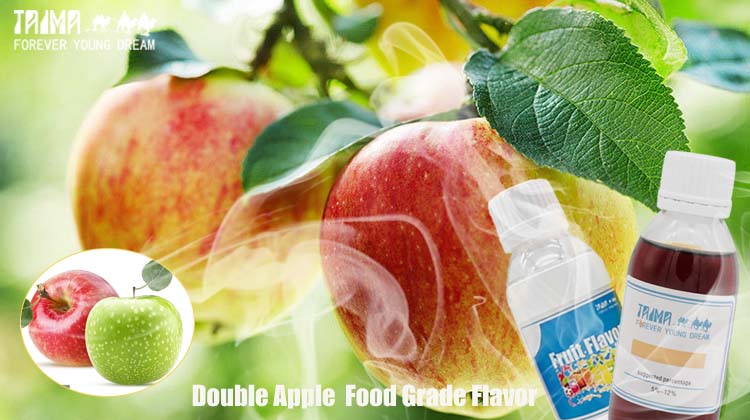
Apple food flavoring is a type of edible flavoring designed to precisely mimic or idealize the aroma and flavor of apples. It is typically not directly concentrated from apples (although sometimes used as a base), but rather meticulously blended using the art and science of a perfumer, combining various natural or synthetic flavoring substances to replicate or create specific types of apple flavors (such as green apples, Fuji apples, ripe apples, etc.).
Features and Advantages
The widespread use of apple food flavoring is primarily due to the following key features and advantages:
1. Highly Controllable and Customizable Flavor
Consistency: Unaffected by apple variety, season, climate, or agricultural conditions, it provides a stable and uniform flavor throughout the year for large-scale industrial production, ensuring that every batch tastes the same.
Targeted: It can precisely formulate specific apple flavors required by the market, for example:
Crisp Green Apple: Emphasizes greenness, tartness, and freshness.
Sweet Fuji Apple: Emphasizes honey sweetness, juiciness, and richness.
1. Baked Apple Pie: Simulates the caramelized, cinnamon-like flavor of ripe apples after heating.
2. Economical and Efficient, Easy to Apply
Extremely Low Cost: Compared to using large quantities of fresh apples (involving planting, transportation, storage, and processing costs), the cost of flavoring is negligible.
High Concentration, Low Dosage: Typically, only 0.1% - 0.3% or even less is needed to achieve a strong flavor effect.
Easy Application: Available in liquid, powder, or emulsion forms, it is easy to mix with raw materials at various stages of production, requiring no complex pretreatment.
2. Enhancing and Complementary Roles
Compensating for Processing Losses: In products containing natural apple ingredients such as juice and jam, high-temperature sterilization and other processes can result in the loss of a significant amount of volatile aromas. Adding a small amount of flavoring can "replenish" the aroma, restoring the fresh fruit flavor of the product immediately after production.
Creating Non-Genuine Concept Flavors: It can create popular "apple flavors" that do not exist in nature, such as apple-flavored soda and candy. These flavors are iconic and idealized taste symbols.
3. Stable Physicochemical Properties
Heat Resistance: Some flavorings undergo special treatment to remain stable during high-temperature processes such as baking and sterilization, preventing flavor evaporation and decomposition.
Storage Stability: Unlike fresh fruit, it does not easily rot or spoil, has a long shelf life, and is easy to store and transport.
Main Uses
Beverages: Apple-flavored carbonated drinks, fruit juices, sports drinks, tea drinks, alcoholic beverages.
Confectionery and Snacks: Apple-flavored hard candy, soft candy, chewing gum, jelly, apple-flavored potato chips or biscuits.
Dairy Products: Apple-flavored yogurt, ice cream, milkshakes.
Baking and Desserts: Apple pie fillings, cakes, donuts, jams, pastry fillings.
Seasonings and Sauces: Apple cider vinegar drinks, condiments.
Summary
In conclusion, apple food flavorings are an indispensable and highly efficient "flavor tool" in the modern food industry. With extremely low cost, high stability, and flexibility, they enable standardized production of apple flavors and limitless creative combinations. Its core advantage lies in transforming the natural, varied, and seasonal flavor of a fruit into a reliable, controllable, and scalable industrial raw material, thereby meeting the needs of the entire...

 Alina
Alina